Home / Quality & Compliance
Independent Four-Stage Quality Control & Compliance Testing
Supplier self-checks are marketing. Our QC team inspects on your behalf at four gates — with photo evidence, AQL standards, and an 8-hour response promise when something fails.
The four gates
What we inspect on accessories specifically
- Plating & finish: tone against sealed sample under D65 light, salt-spray expectation by tier, coverage on jumps and hidden faces, nickel-release limits for EU specs.
- Mechanical: clasp open-close cycles, jump-ring solder, earring-post shoulder strength, claw-clip spring action, zipper runs, stitch density on bags and belts.
- Stone & bead work: glue bloom, prong bite, strand knotting, pearl drilling burrs, strand-length tolerance ±5 mm.
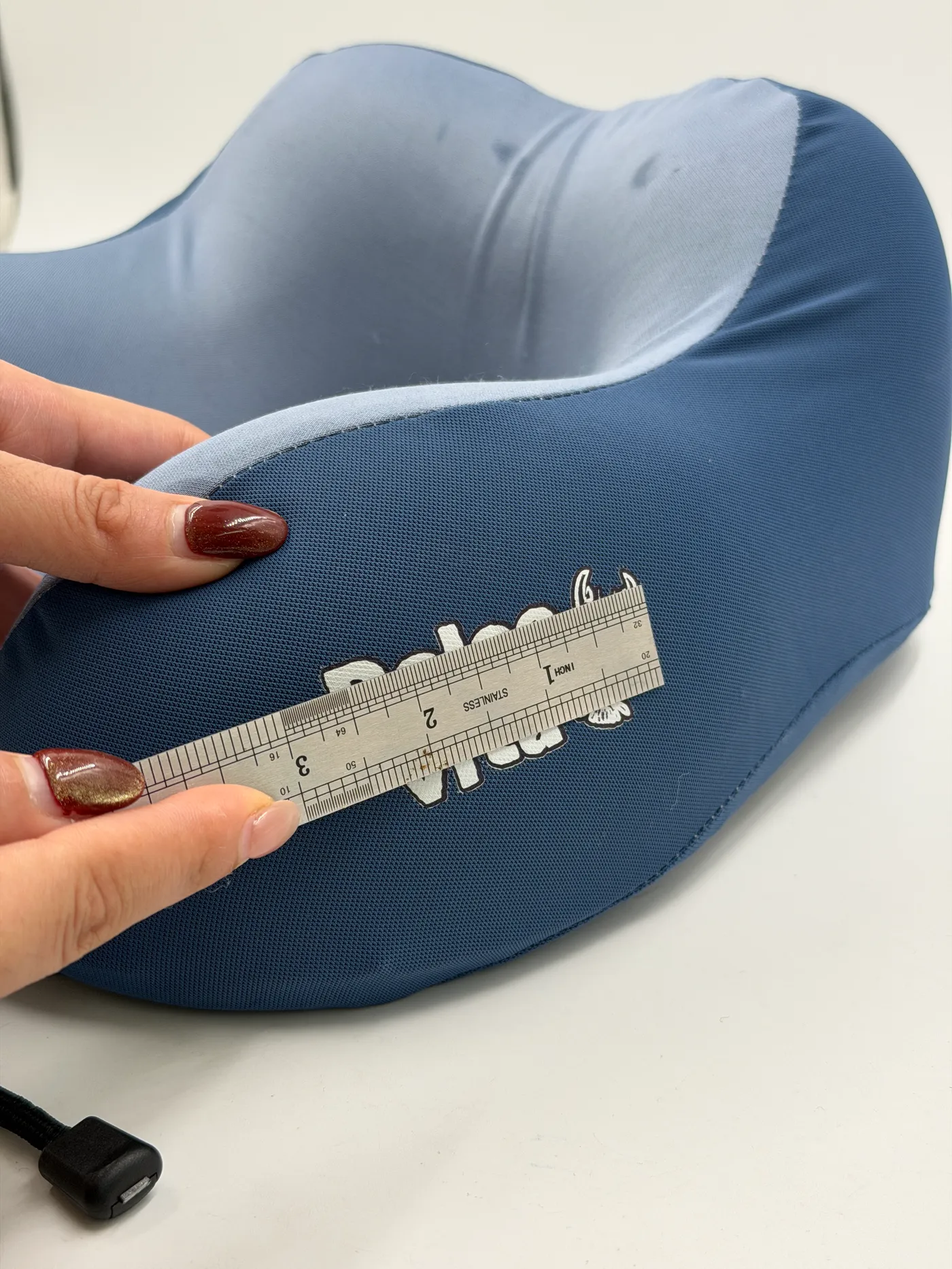
- Textiles: colourfastness rub tests, print registration, hem finish, size-point tolerance, azo-dye screening for regulated markets.
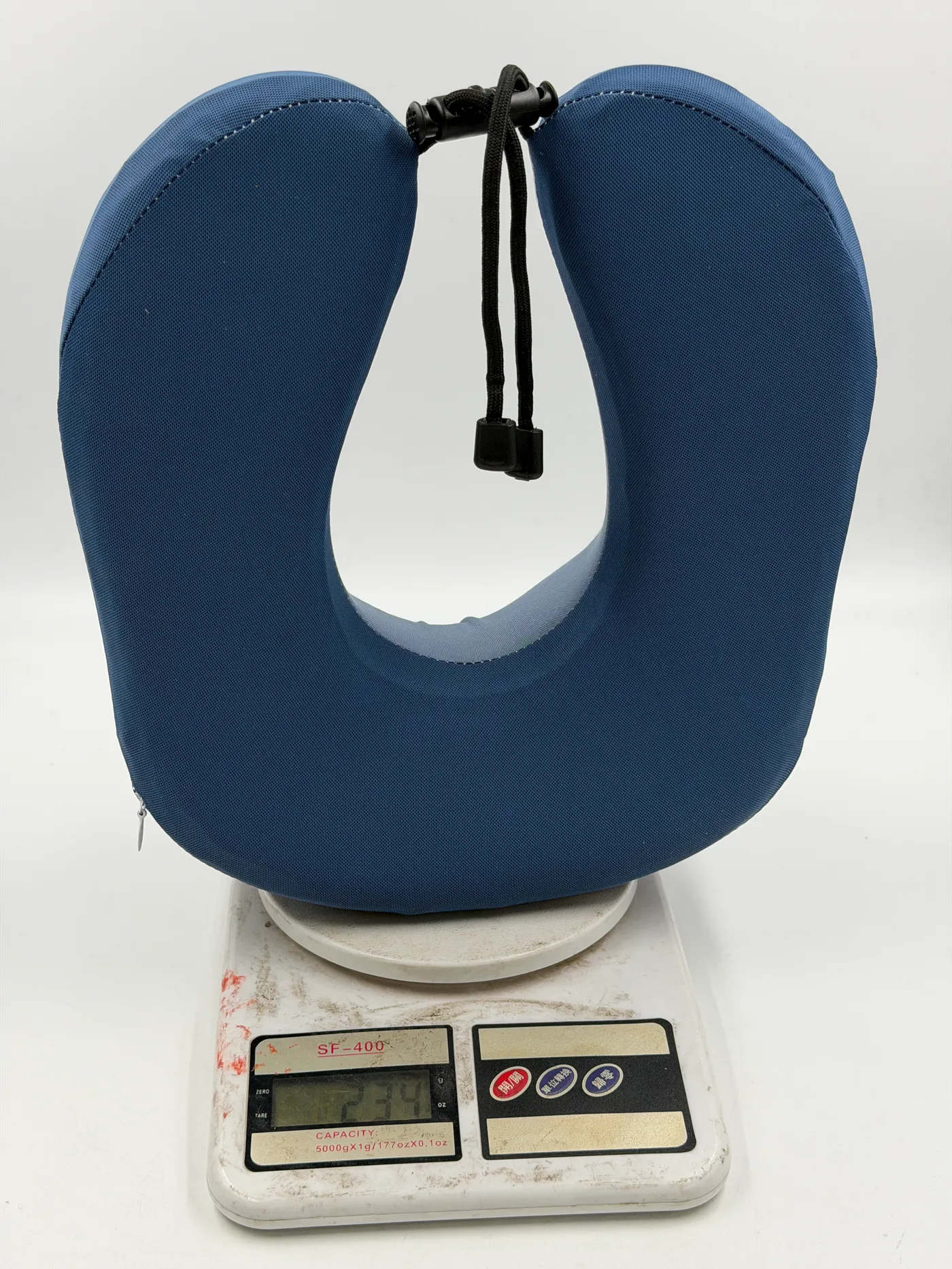
- Packing: carton drop test, polybag suffocation warnings, barcode scannability, carton-mark accuracy against your PO.
Response promises, in writing
Findings reported to you within 24 hours of inspection. If you raise a quality issue after receipt: first response within 8 hours, written remedy plan within 48 hours. Quality files — reports, photos, sealed-sample records — are kept a minimum of three years, so a claim on last season’s order is still an argument with evidence on both sides.
Compliance testing — what we coordinate, what we do not pretend
DOKADO is a trading and sourcing company, not a laboratory. What we do: spec materials and plating to regulated-market limits from the design stage; coordinate accredited third-party lab testing and track it to pass; keep test records per program. We hold REACH-scope test reports (lead, cadmium, phthalates, formaldehyde, azo dyes, PAHs — all pass) on file through Zhejiang RTS lab, plus CE certification for applicable lines, and can arrange SGS / BV / Intertek-level testing for new programs — REACH & SVHC, RoHS, EN71 (toy-adjacent gift items), CPSIA & ASTM F963 (US children’s), California Prop 65, heavy metals, azo dyes, formaldehyde. Typical turnaround 7–15 working days; budget it at quoting so it never blocks a ship date.
We will not show you a wall of certificates we do not hold. If a market needs a specific certificate or test that is not standard for a line, we say so, price it, and get it done before your goods are finished — which is the only sequence that has ever saved a ship date.
FAQ — quality
Which AQL standard do you default to?
ANSI/ASQ Z1.4 Level II with your defect allowances; common default is 2.5 major / 4.0 minor for fashion accessories, tightened to 1.5/2.5 for children’s lines and gift programs. If your QC department has its own plan, send it and we run yours, not ours.
Can I attend or commission my own third-party inspection?
Both. We work daily with QIMA-style third-party inspectors and will book and host them; the DPI and final-inspection windows are published to you so your inspector can plan. Inspections we run and inspections you hire see the same goods — there is no pre-cleaned sample theatre.
What happens when a batch fails final inspection?
Nothing ships on a handshake. The failure report goes out with photos and counts, options are priced (sort-and-replace, rework, discount-with-disclosure), and you choose. Historically the client choosing is faster and cheaper than the supplier arguing — which is exactly why findings come to you first.